
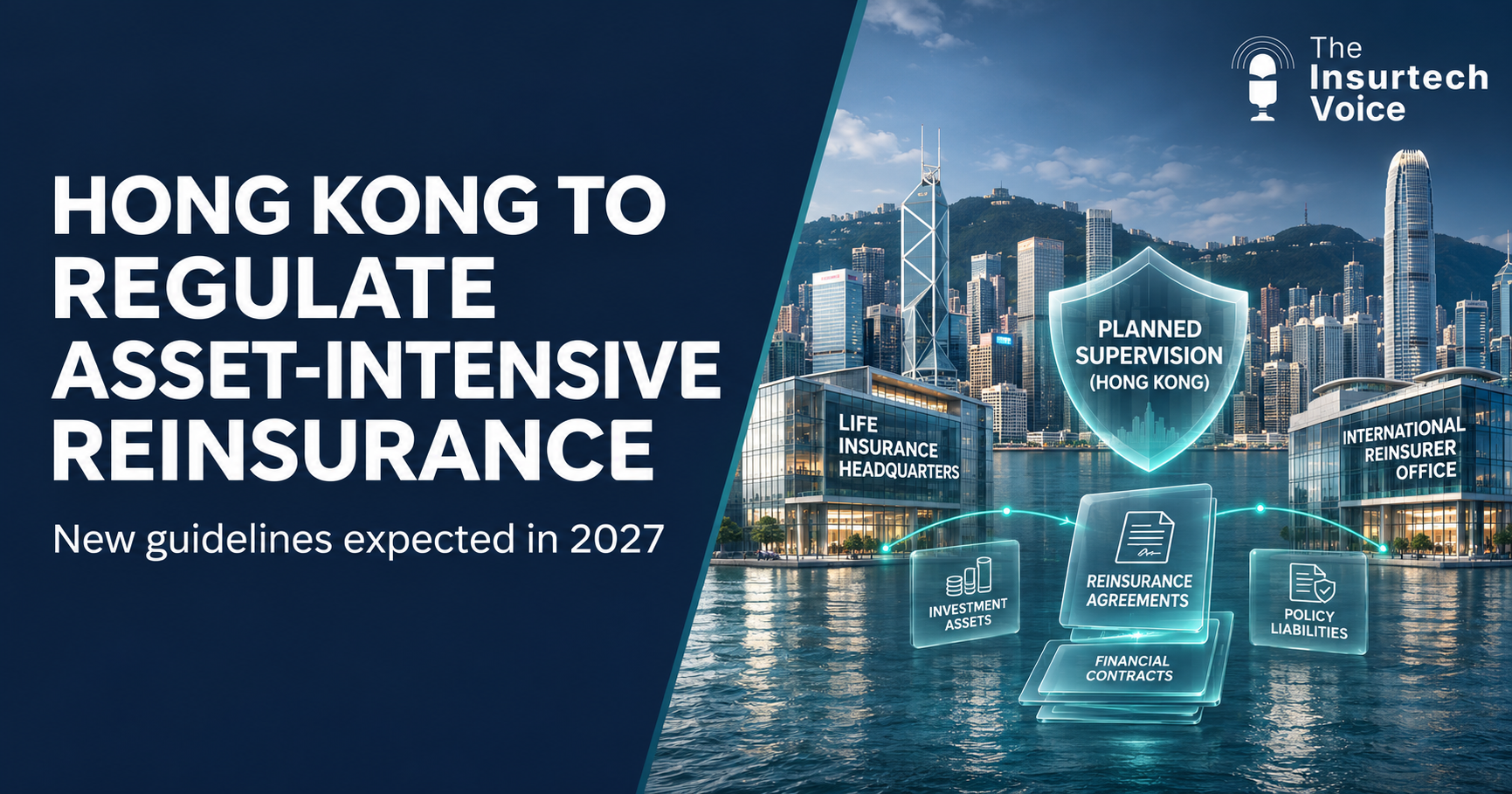
The short version: Hong Kong's Insurance Authority expects new rules on asset-intensive reinsurance to take effect in 2027. As reported, deals with highly rated reinsurers that are small relative to an insurer's long-term liabilities would only need to be notified to the regulator. Other deals would need approval, assessed on credit rating, collateral and legal enforceability.
Earlier in 2026, HSBC's life insurance arm and Hang Seng Life each did a deal of about $1 billion with Resolution Life, according to people familiar with the transactions.
In October, Pacific Life Re announced its first deal of the same kind in the city. One person said the insurer on the other side was FWD Group.
None of those transactions had to clear a rule written specifically for them, because Hong Kong does not yet have one. Across the market, insurers have ceded an estimated $10-20 billion of liabilities to international reinsurers this way over the past five to seven years, according to Aon.
The Hong Kong asset-intensive reinsurance guidelines now being finalised by the Insurance Authority (IA) would change that, people familiar with the matter told Bloomberg. The IA itself has confirmed only that the consultation has closed and the feedback is under review. It expects the revised guideline to take effect in 2027, and the final text has not been published.
Notify, or Ask First
As reported, the proposals split deals into two groups.
| Route | When it applies (as reported) | What the IA would do |
|---|---|---|
| Notification | The reinsurer is above a set credit rating threshold and the insurer's total reinsured assets are not material compared with its long-term liabilities | Receive notice; no prior approval needed |
| Approval | Any deal that does not meet both conditions | Assess the deal on factors including credit rating, collateral and legal enforceability |
Source: Bloomberg, citing people familiar with the proposals. Thresholds have not been disclosed.
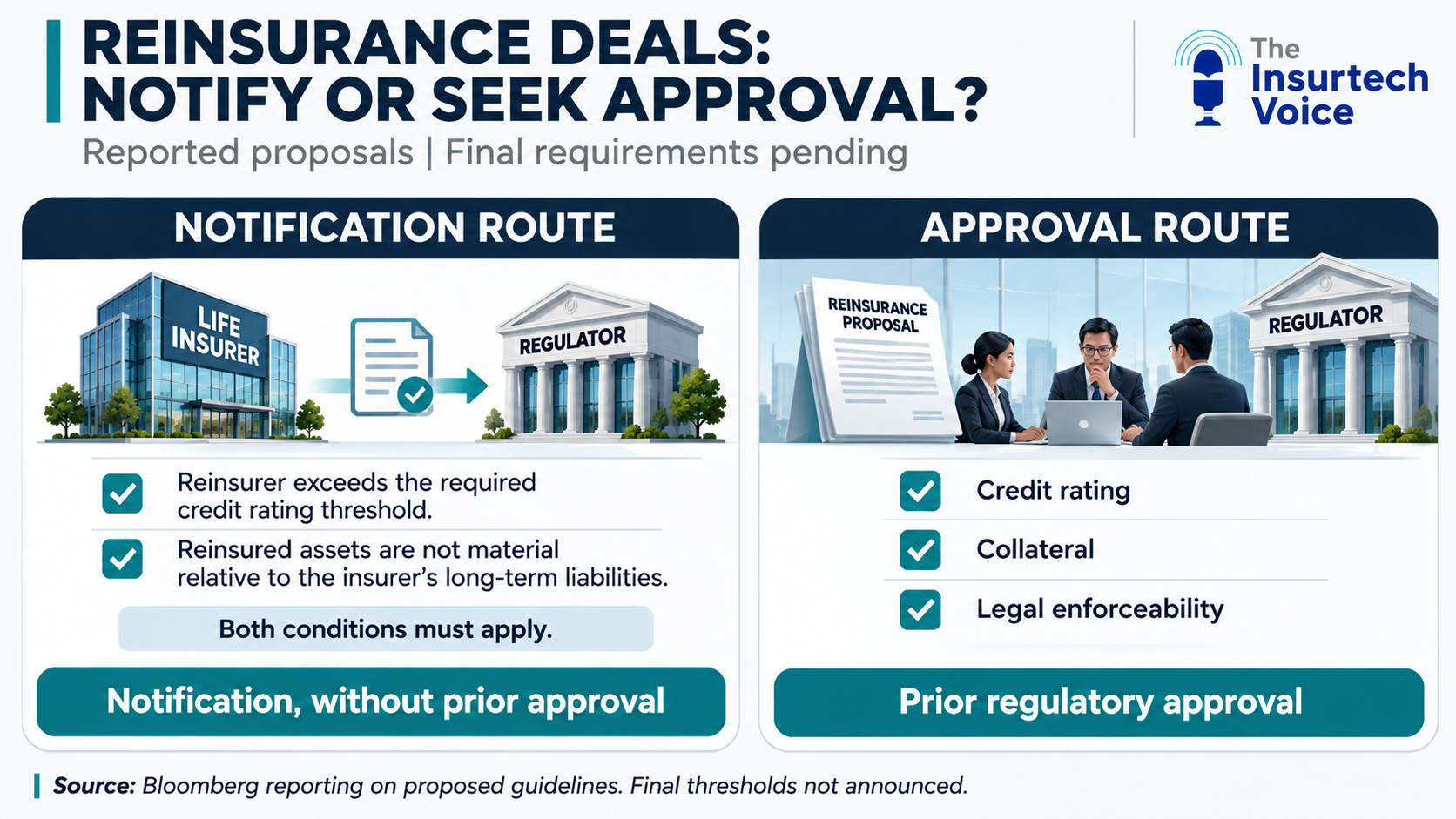
In practice, the asset-intensive reinsurance approval requirements go to the main worry in cross-border deals. Can the assets be recovered if a reinsurer gets into trouble? And would the collateral hold up under the law of the reinsurer's home jurisdiction?
The Hong Kong asset-intensive reinsurance regulations appear to come through the IA's revision of its Guideline 17 on Reinsurance, which it put out for consultation this year. Actuarial consultancy Milliman, which reviewed the consultation paper, says it would increase scrutiny of these deals but does not appear designed to make them uneconomic.
What the Trade Involves
Asset-intensive reinsurance is a transaction in which an insurer passes a block of long-duration liabilities to a reinsurer, along with responsibility for managing the assets behind them. The reinsurer then invests those assets to try to earn better returns.
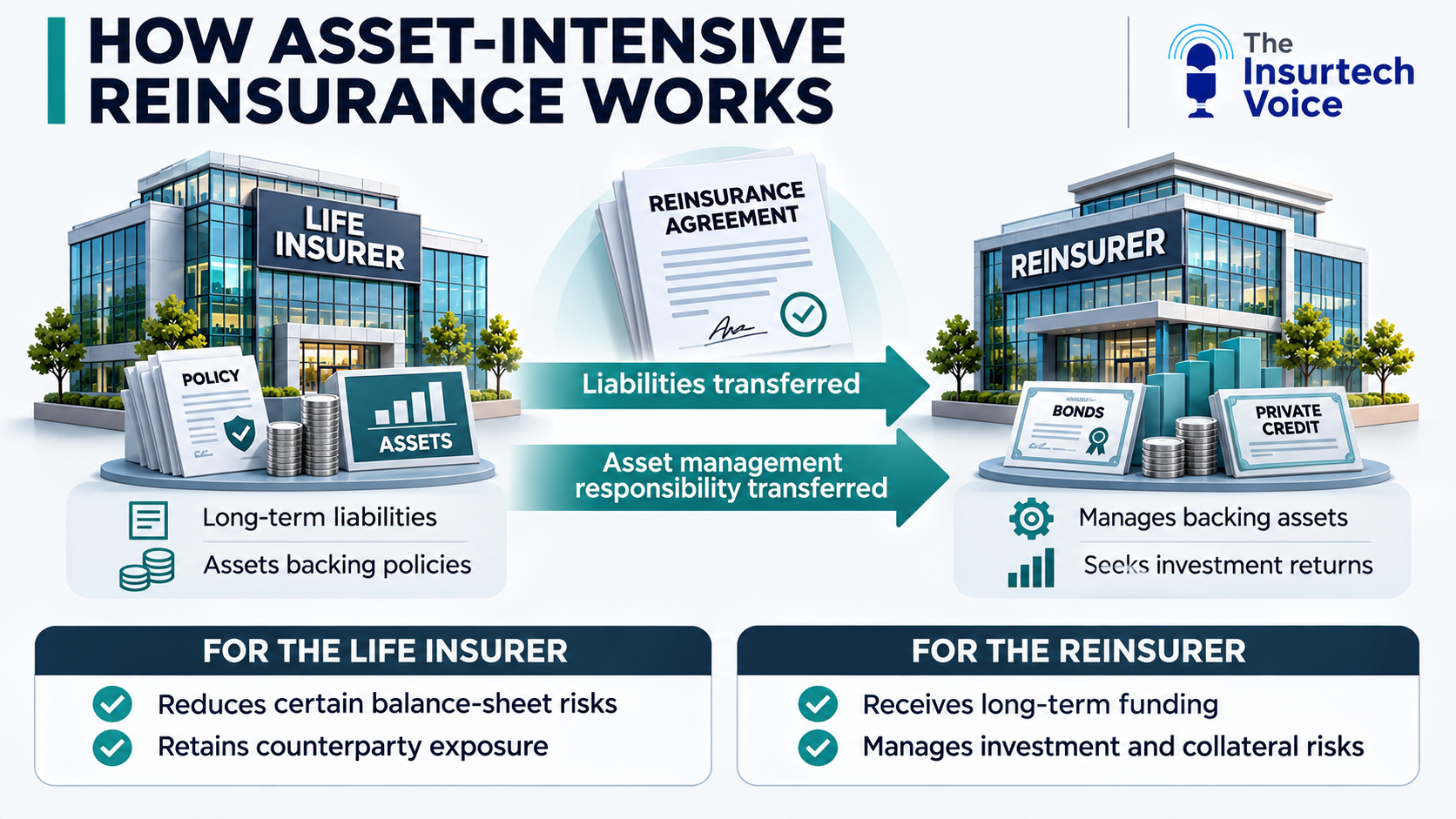
Milliman's June 2026 white paper on the Hong Kong market describes the trade-off. The insurer removes hard-to-manage risks from its balance sheet but takes on counterparty risk. The reinsurer gains predictable long-term funding and scalable fee income, yet faces pressure to reach for illiquid assets and has to manage swings in collateral value.
Globally, these reinsurers have also become an important source of demand for private credit, a market that has made investors nervous after a long boom.
Why the Regulator Is Moving Now
Helbert Tsang, who leads capital solutions for Asia life reinsurance at Aon, links the demand to the search for yield, easier access to private markets and regulatory changes. Resolution Life confirmed its two Hong Kong transactions publicly, but the companies have said little else. Resolution Life, Pacific Life Re and FWD declined to comment to Bloomberg, and HSBC and Hang Seng did not respond.
The wider mood among supervisors has shifted too. Firms such as KKR and Apollo have closed asset-intensive reinsurance deals worth billions of dollars globally.
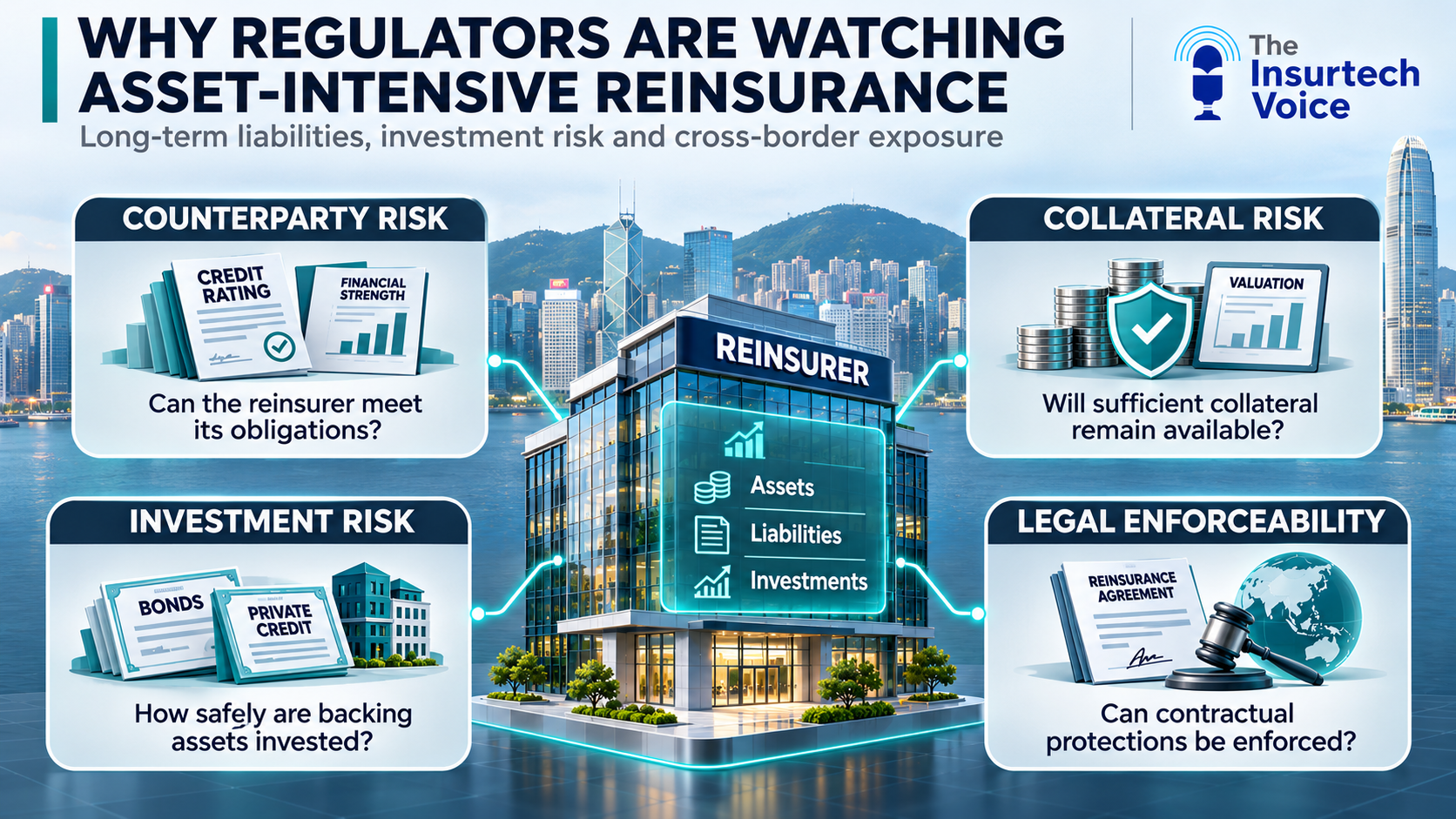
In 2025, Japan's financial regulator surveyed life insurers on the risks of moving liabilities to reinsurers backed by global investment firms. The International Association of Insurance Supervisors has also pointed to risks linked to structural change in life insurance, including more cross-border asset-intensive reinsurance. In its June 2026 white paper, Milliman noted that several regulators had published proposals in the preceding months to tighten scrutiny of these transactions.
The Hong Kong Insurance Authority's reinsurance rules are not the only area where it has been tightening. From 1 January 2026, it capped first-year commission on long-term participating policies at 70%, as we noted in our coverage of IRDAI's commission reform review.
Still Unknown
Several details that will decide how much the rules change behaviour have not been reported:
- the credit rating threshold for the notification route
- what counts as "material" compared with an insurer's long-term liabilities
- whether deals already in force will be treated differently from new ones
- the exact date in 2027 when the revised guideline will apply
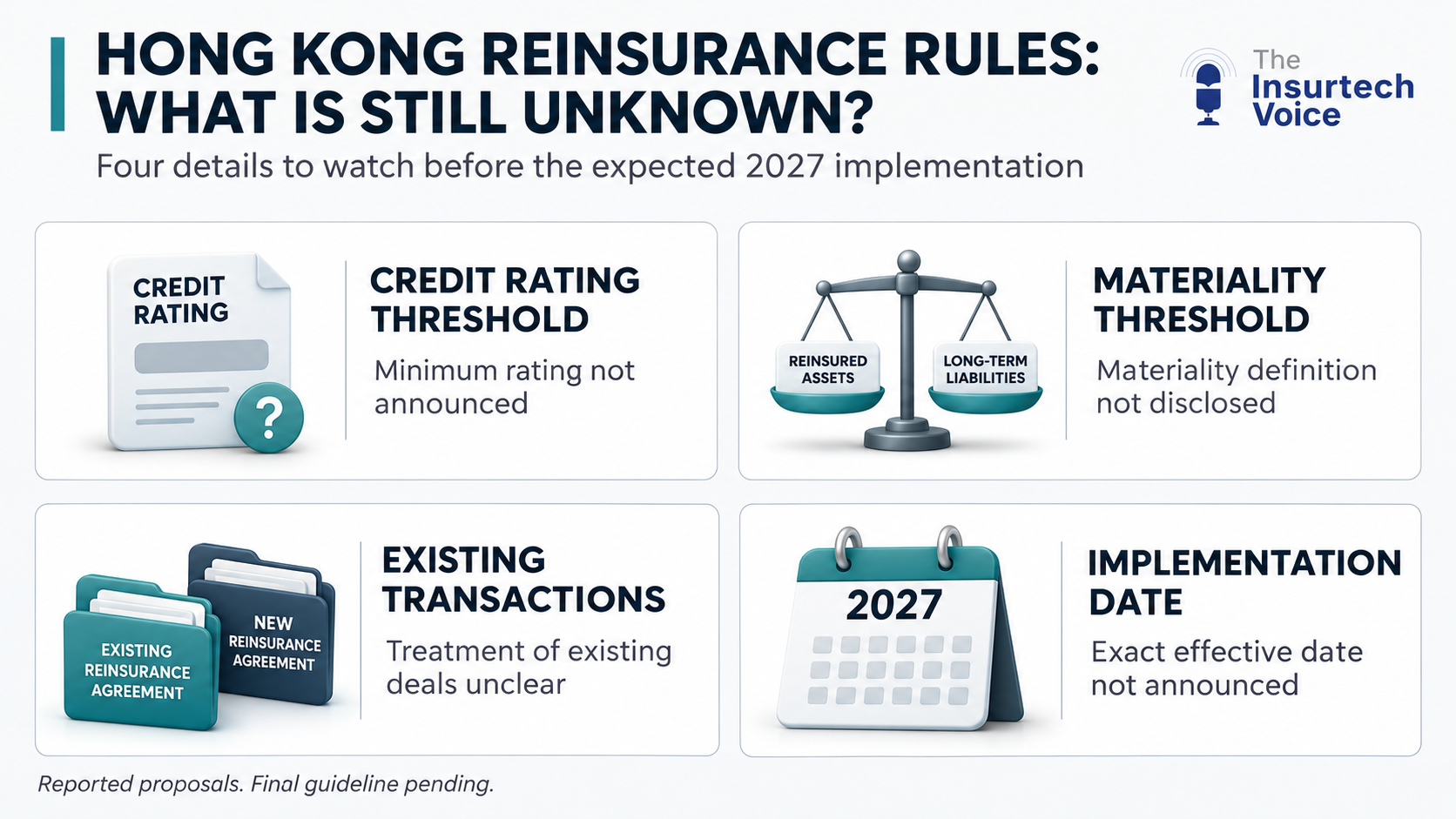
The materiality line matters most. Until it is drawn, an insurer cannot tell which route a planned deal would take, and some may wait for the final text before signing new transactions.
In our reading, a strong credit rating and a clean collateral structure will count in a reinsurer's favour. Reinsurers that lean heavily on private credit, or are based where legal enforceability is less certain, should expect more questions.
The Hong Kong reinsurance regulatory changes are due in 2027, the same year as Saudi Arabia's move to risk-based capital.
The Read for India
None of this applies to Indian insurers directly. But Indian life insurers also carry large books of long-duration savings business, and the same due diligence would apply to any board thinking about moving those liabilities overseas.
Should Indian insurers or the regulator look more closely at such structures, Hong Kong's asset-intensive reinsurance regulatory framework offers one of the clearest templates in the region.
"Asset-intensive reinsurance is a bet on someone else's balance sheet for decades. Hong Kong is right to focus on the strength of the reinsurer, the collateral and whether the deal can be enforced, because those questions still matter long after the contract is signed. Indian insurers looking at similar structures should be asking them first," said Hitul Mistry, founder of Insurnest.
For now, the deals keep coming. The rulebook arrives in 2027.
Editorial note: Details of the proposed rules come from Bloomberg's reporting, citing people familiar with the matter; the Insurance Authority has confirmed only the end of the consultation and the 2027 timing. Background on Guideline 17 and the market is from Milliman. Drafted with AI assistance and reviewed by The InsurTech Voice editorial team. For information only, not legal or investment advice.
Frequently asked questions
- What are the Hong Kong asset-intensive reinsurance guidelines?
- They are additions to the Hong Kong Insurance Authority's reinsurance guideline that, for the first time, specifically target asset-intensive reinsurance. According to people familiar with the proposals, insurers would either notify the regulator or seek its approval for these deals, depending on the counterparty and the size of the transfer.
- When will the new rules take effect?
- The Insurance Authority says the consultation has ended, it is reviewing feedback, and the revised guideline is expected to take effect in 2027. No exact date has been announced.
- What is asset-intensive reinsurance?
- It is a transaction in which an insurer transfers long-term liabilities, together with responsibility for managing the assets backing them, to a reinsurer. The reinsurer can invest those assets elsewhere to try to earn higher returns.
- Will every asset-intensive reinsurance deal need approval in Hong Kong?
- Not under the reported proposals. An insurer would only need to notify the regulator if the reinsurer is above a certain credit rating threshold and the insurer's total reinsured assets are not material compared with its long-term liabilities. Other deals would need approval.
- What would the Insurance Authority assess before approving a deal?
- According to people familiar with the proposals, factors would include the reinsurer's credit rating, collateral and legal enforceability.
- How large is Hong Kong's asset-intensive reinsurance market?
- Aon estimates that Hong Kong insurers have ceded $10 billion to $20 billion of liabilities to international reinsurance markets through asset-intensive reinsurance over the past five to seven years.
- Are the rules final?
- No. The details come from people familiar with the consultation, as reported by Bloomberg. The Insurance Authority has confirmed only that the consultation has closed and that it expects the revised guideline to take effect in 2027.
Sources
Reporting
- Bloomberg, 1 November 2026: Hong Kong plans rules for insurers' hot new growth market
- China Daily Hong Kong (Bloomberg), 2 November 2026: Hong Kong plans rules for insurers' hot new growth market
- The Standard, 2 November 2026: HK Insurance Authority plans new rules for asset-intensive reinsurance
- The Straits Times (Bloomberg): Hong Kong plans rules for insurers' hot new growth market
Analysis
The InsurTech Voice · An Initiative by Insurnest